The Judgement of Paris
Putting America on the map
Can a wine tasting change the world? Well, perhaps not entirely. But a blind tasting event in 1976 in Paris, changed the world of wine forever.

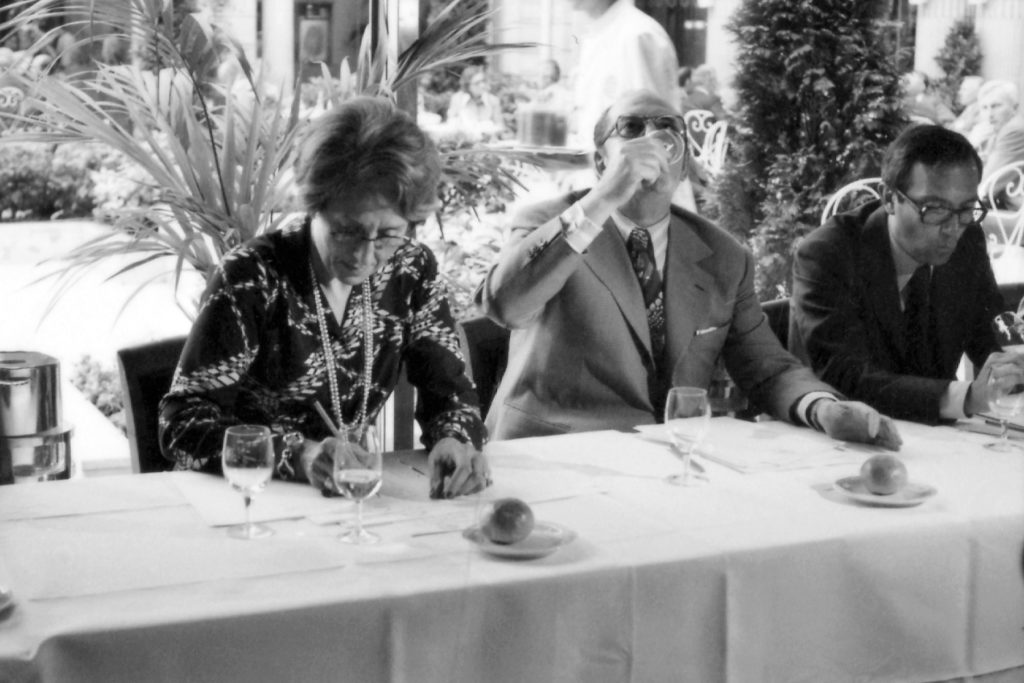
On 24 May 1976, a blind wine tasting in Paris changed the course of wine history: British wine merchant Steven Spurrier and his American colleague Patricia Gallagher organised a comparative tasting to celebrate the United States Bicentennial, pairing top Californian Chardonnays and Cabernet Sauvignons against France’s best white Burgundies and red Bordeaux.
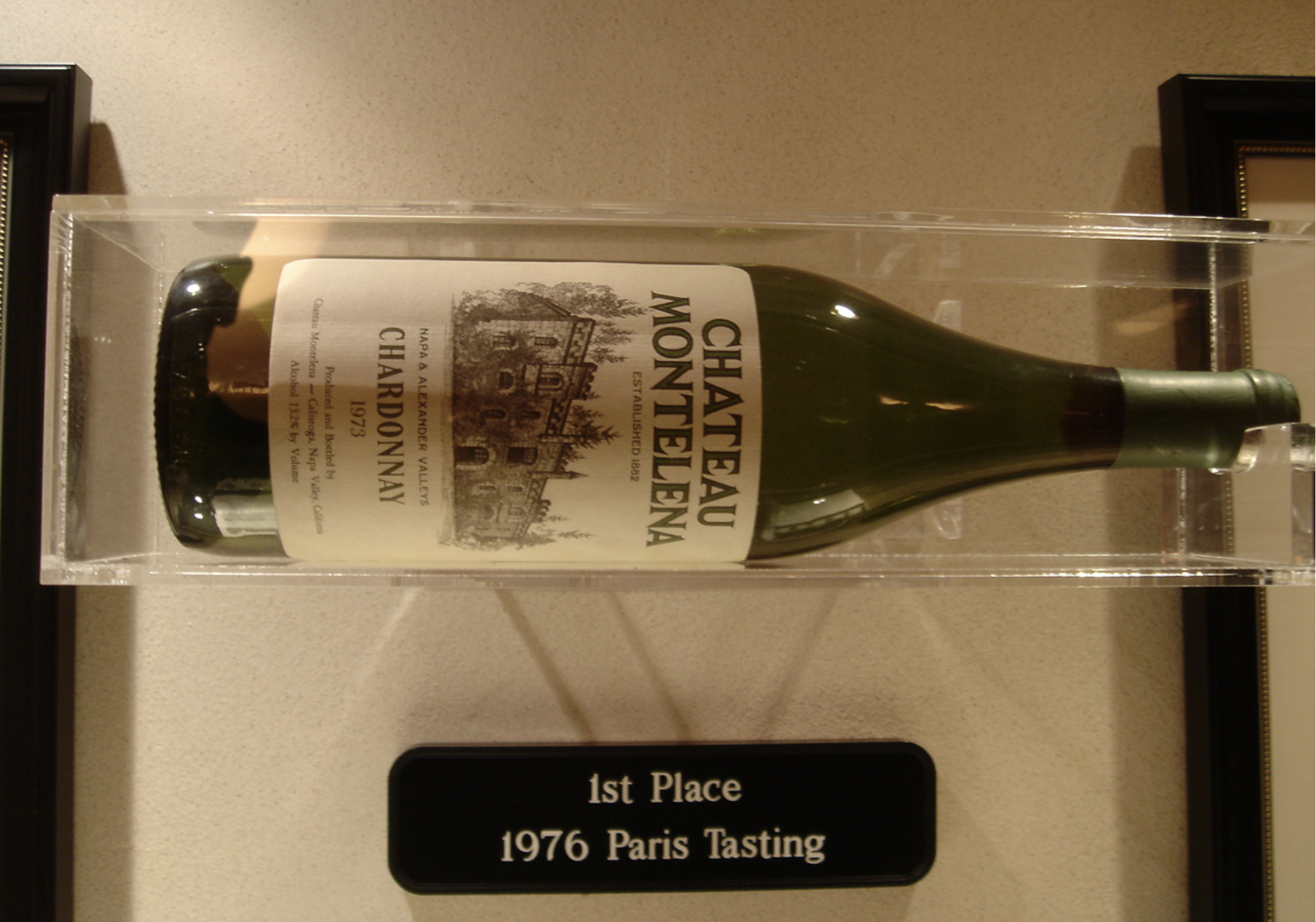
The judges were nine leading French wine experts, unaware of provenance or price. In the white category, the 1973 Chardonnay from Château Montelena took top honours. In the red flight, the 1973 Cabernet Sauvignon from Stag’s Leap Wine Cellars prevailed. The unexpected victories shattered the long‑held belief that only French terroir could produce world‑class wine.
Before 1976, the wine world overwhelmingly deferred to France. Estates in Napa and Sonoma were still emerging. After the event, the world began to listen. Californian producers, including Ridge Vineyards, embraced this shift and transformed the map of fine wine.
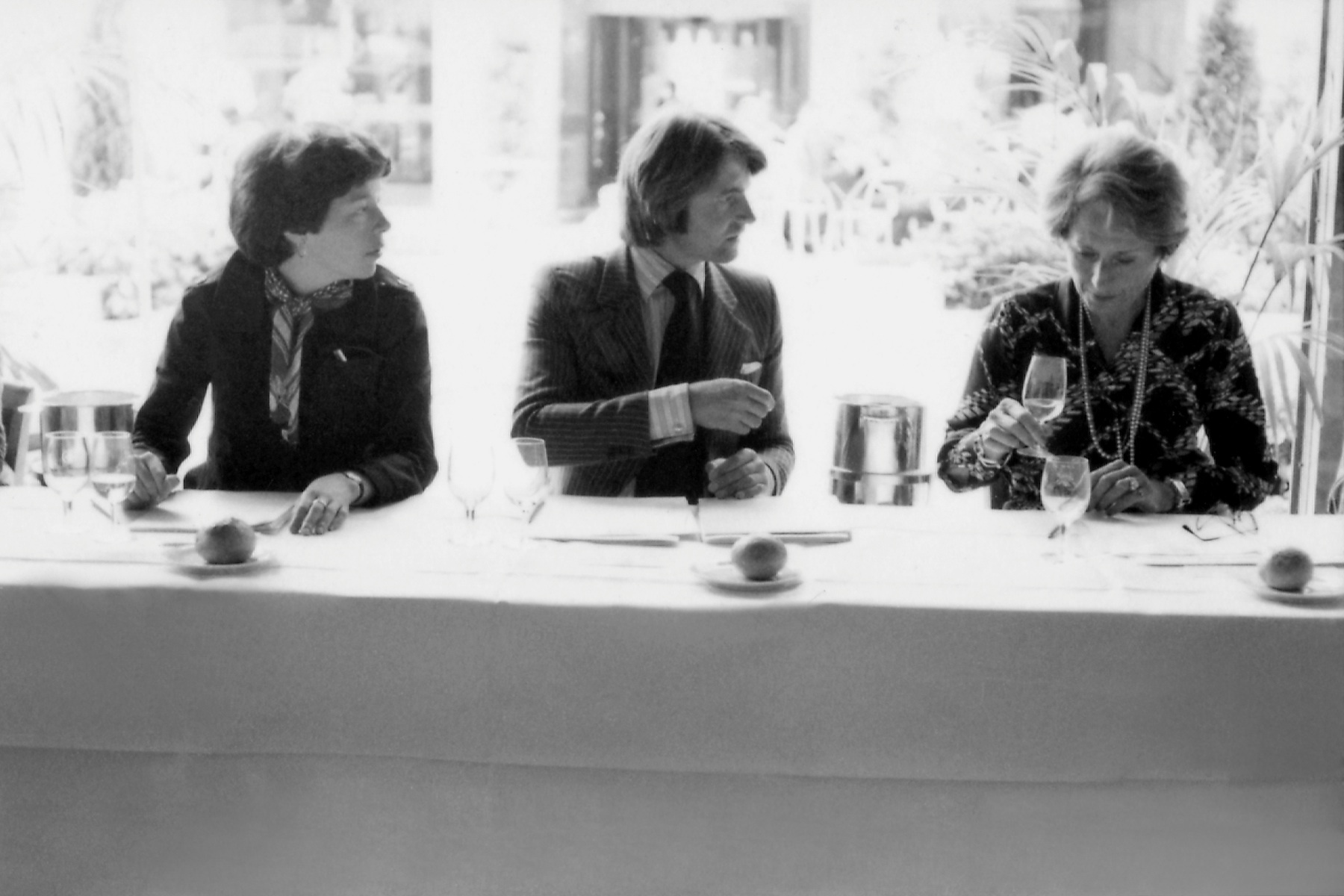
Photos courtesy of Bella Spurrier
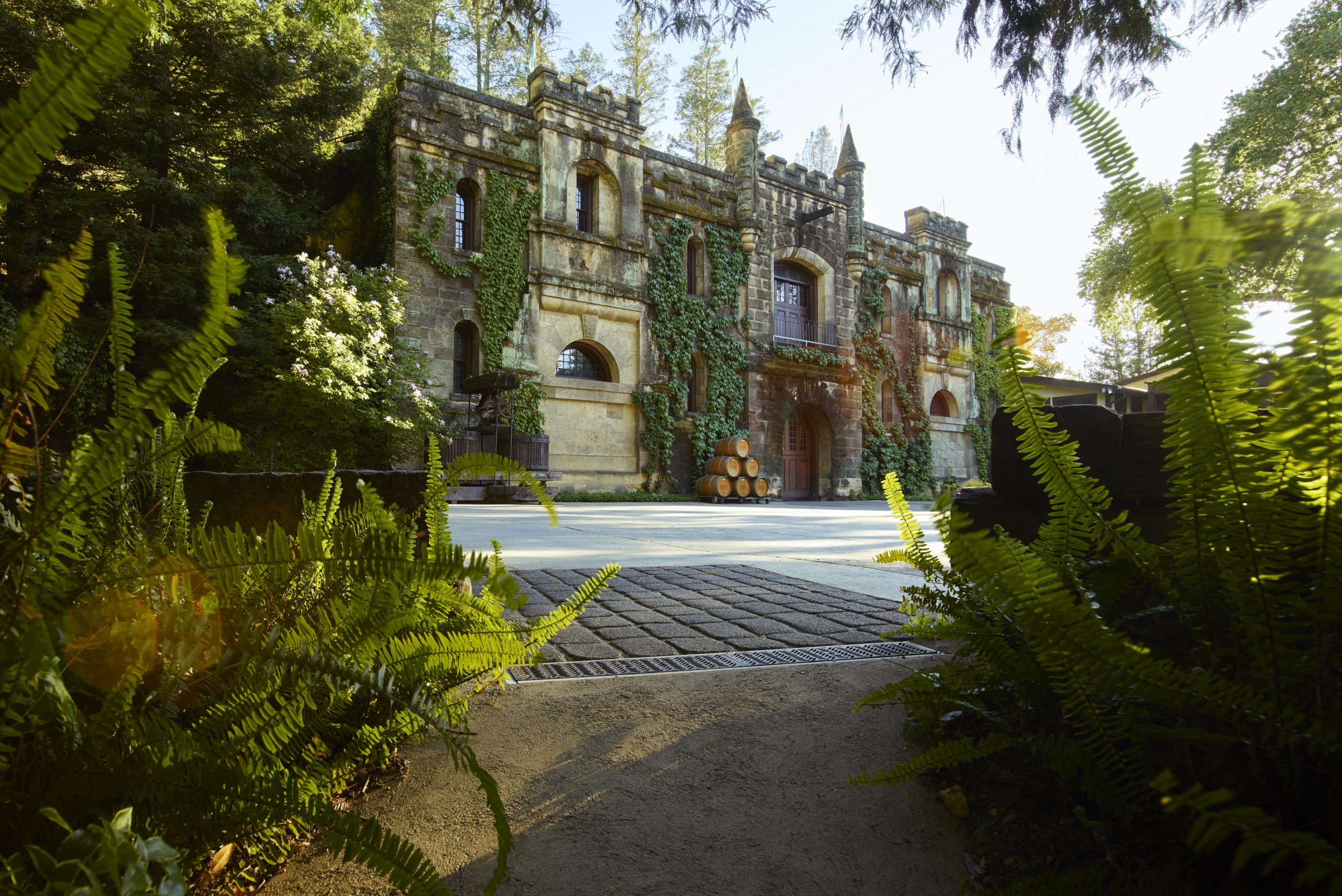
Montelena’s victory gave Napa a voice on the world stage, proving that California could rival — and even outperform — the great white wines of Burgundy. It laid the foundation for international recognition, investment, and the rise of Napa Valley as a premium wine region. For Montelena, it cemented a legacy of excellence that continues to shape its reputation today.
Their 1973 Chardonnay proved the world wrong, winning the white flight and proving American capability.
Their 1973 Cabernet Sauvignon beat Bordeaux in the red flight, cementing Napa’s global reputation
Though not the winner in 1976, Ridge’s Monte Bello wine from the tasting is widely referenced and the estate remains a benchmark of quality.

Cabernet Sauvignon