California Wines: The Heartbeat of American Winemaking
California is more than a wine region: It is a cultural force, a global benchmark, and the foundation of modern American winemaking. With over 4,000 wineries and more than 110 officially recognized American Viticultural Areas (AVAs), California produces more than 80% of all wine made in the United States. From coastal hills touched by fog to inland valleys bathed in sun, the state’s incredible variety of microclimates and soils provides a canvas as diverse and expressive as the wines themselves.
From the Gold Rush to Global Recognition
California’s wine story began in the eighteenth century when Franciscan monks planted mission grapes to supply sacramental wine. But the real acceleration came with the Gold Rush in 1849. Immigrants from Europe brought with them vines, craftsmanship, and a deep knowledge of viticulture. Napa and Sonoma counties became early centers of excellence, and by the late nineteenth century, California wines were already winning awards on the international stage.
However, the industry suffered a devastating setback during Prohibition. From 1920 to 1933, the production and sale of wine was largely banned. Vineyards were abandoned or torn up. Generations of winemaking tradition were lost.
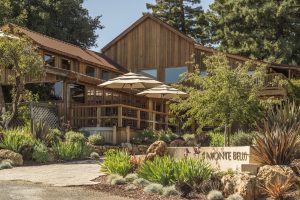
California’s comeback arrived in a most unexpected way. In May 1976 a now legendary blind tasting in Paris pitted American wines against French classics. A panel of French judges unknowingly chose a Napa Valley Chardonnay from Chateau Montelena and a Cabernet Sauvignon from Stag’s Leap Wine Cellars over some of the most respected wines of Burgundy and Bordeaux. The result shocked the global wine community. The Judgement of Paris had changed everything.
Few know, however, that the grapes used for Chateau Montelena’s winning wine came not from Napa but from Sonoma. It is a reminder of how underappreciated Sonoma remains, even as it continues to produce wines of great purity, elegance, and aging potential.
Why California Stands Out
California is exceptional because of its balance between natural diversity and human vision. Its long growing season, cool Pacific influence, and generous sunlight offer winemakers ideal conditions. But climate and soil are only part of the equation. California is also a global leader in sustainable farming, scientific innovation, and stylistic exploration.
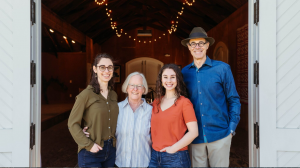
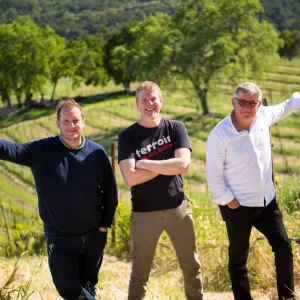
At americanwine.club, we feature producers who embody this spirit of excellence. Ridge Vineyards, famous for its mountain-grown Zinfandel and its role in the Paris tasting, continues to push the boundaries of terroir-driven winemaking. Corison Winery stands as a benchmark for elegance and restraint in Napa Cabernet, led by one of the region’s most respected voices. Cruse Wine Co. in Petaluma brings vitality and freshness to both still and sparkling expressions, marrying Old World methods with New World energy.
Napa, Sonoma, and Beyond
Napa Valley remains the most recognized name in American wine. Known for structured Cabernet Sauvignon and polished Chardonnay, its reputation is well earned. Yet the story of California wine would be incomplete without its neighbors.
Sonoma County, often living in Napa’s shadow, is arguably even more diverse. Its coastal appellations like Russian River Valley and Sonoma Coast produce refined Pinot Noir and crisp Chardonnay with clarity and lift. The inland valleys provide warmth for Syrah and Zinfandel. It is a region that deserves far more attention than it receives.
Farther south, Paso Robles has become a rising star. It is home to Tablas Creek Vineyard, one of the most influential Rhône-style producers in the United States. Founded in partnership with Château de Beaucastel in the Rhône Valley, Tablas Creek brought cuttings of Mourvèdre, Grenache, and Roussanne to California and introduced a whole new vocabulary of wine to American consumers. Their regenerative farming practices and dedication to biodiversity make them a model for sustainable viticulture.
The Central Coast, Santa Barbara, Mendocino, and even the Sierra Foothills add even more complexity to California’s story. Each region contributes something unique, from cool-climate Syrah to rugged mountain-grown Cabernet.
The Future of California Wine
California winemakers are now leading the charge in facing global challenges. Climate change, water scarcity, and changing consumer tastes demand new solutions. Across the state, you’ll find dry farming, cover cropping, solar power, and a return to native yeast fermentations. Tradition and innovation no longer compete, they coexist.
At americanwine.club, we are proud to bring these wines to Europe. We work directly with the wineries, select only what we believe in, and ship with care. Every bottle we import carries not just flavor but story, passion, and a sense of place.
When you open a bottle of California wine, you are not only tasting world-class craftsmanship. You are experiencing the resilience, vision, and spirit of a region that redefined what American wine can be and continues to shape what it will become.